Laikipia, central Kenya
The place where the fee does something visible
Ol Pejeta runs cattle and wildlife on the same ground, holds East Africa’s largest black rhino population, and publishes what it does with your money. It is also three hours from Nairobi.
- Best for
- Rhino, short trips, families
- Suggested stay
- 2 nights
- From Nairobi
- 3 – 4 hours by road, or fly to Nanyuki
- Season
- Year-round
What is here
Four reasons people come
Rhino
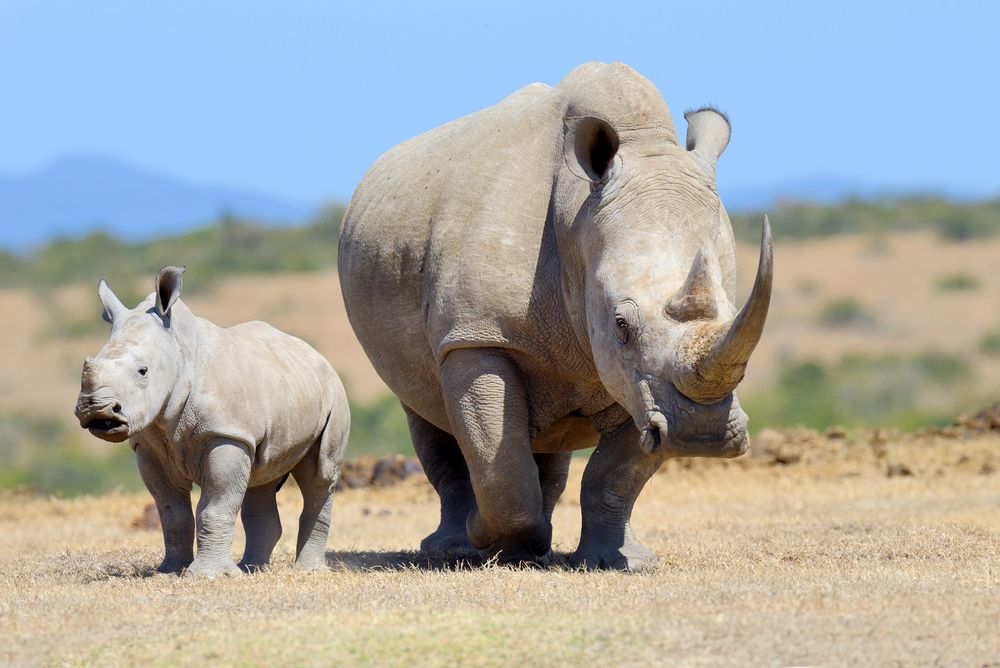
Black and southern white in numbers that make sightings dependable — plus the last two northern whites on earth.
The rhino here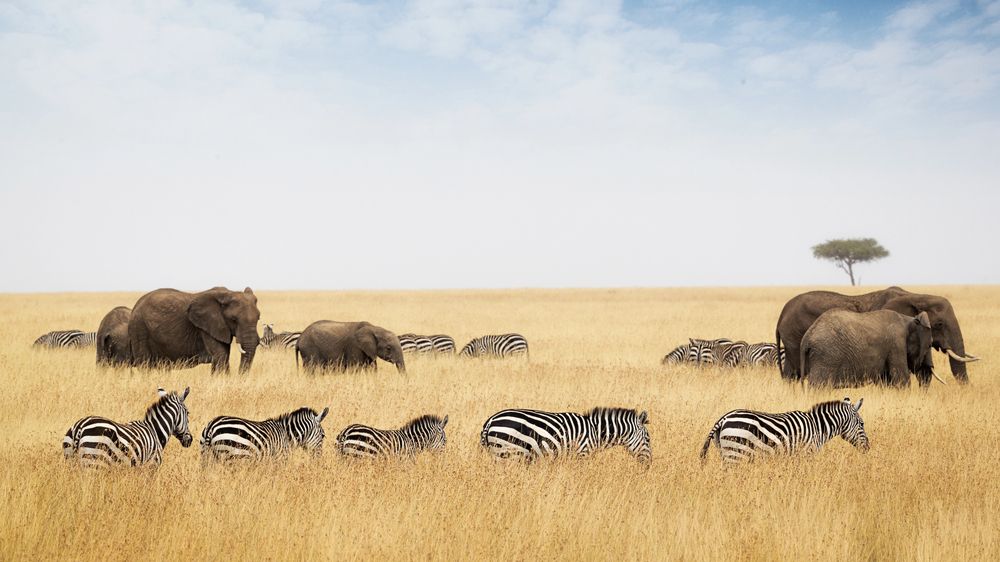
The conservancy model
Cattle and wildlife on the same ground, funded by tourism and beef. What your fee actually pays for.
Where the money goes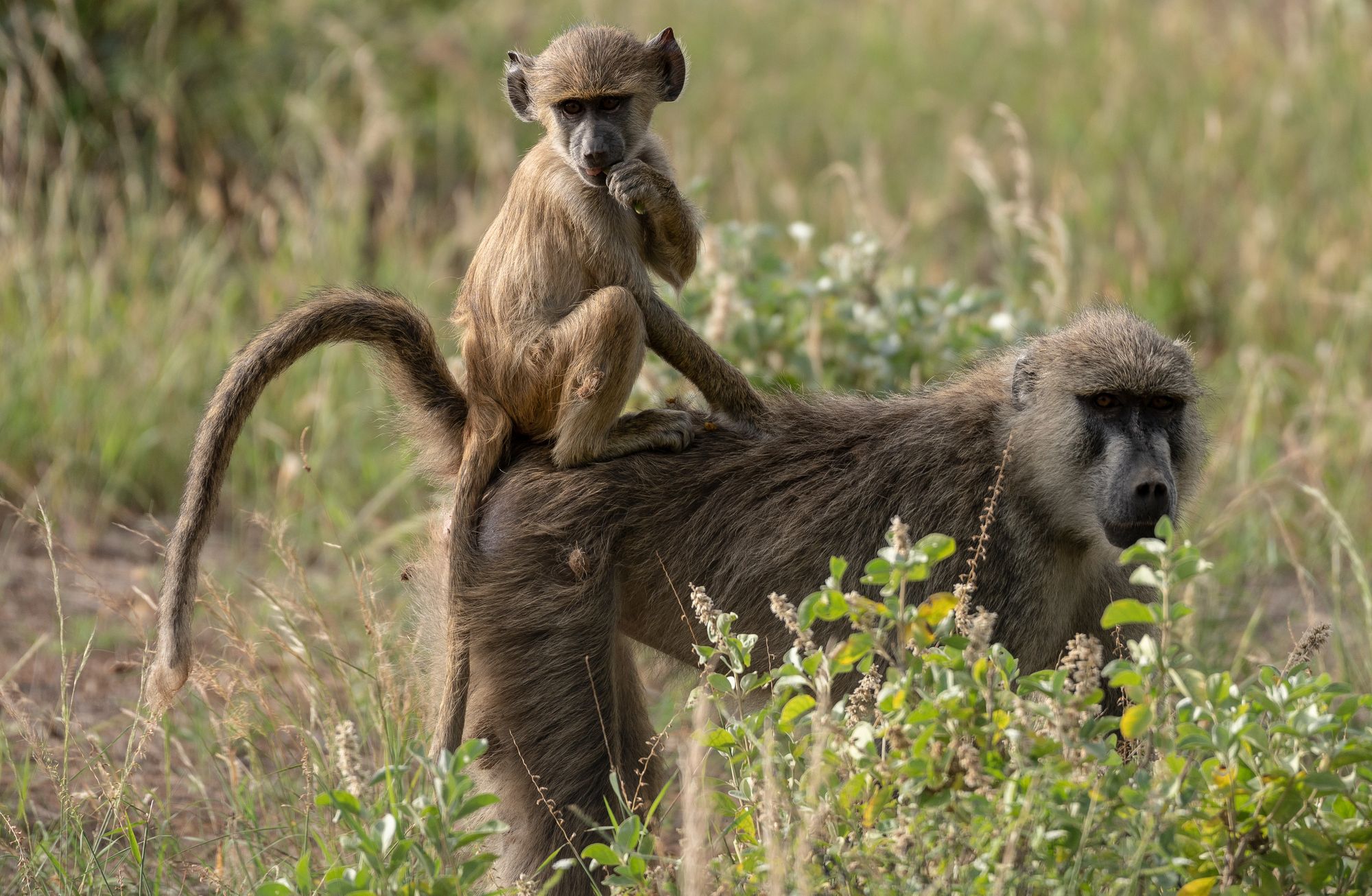
Chimpanzees
A sanctuary for chimpanzees rescued from the black market — and not native to Kenya, which Ol Pejeta says plainly.
What it is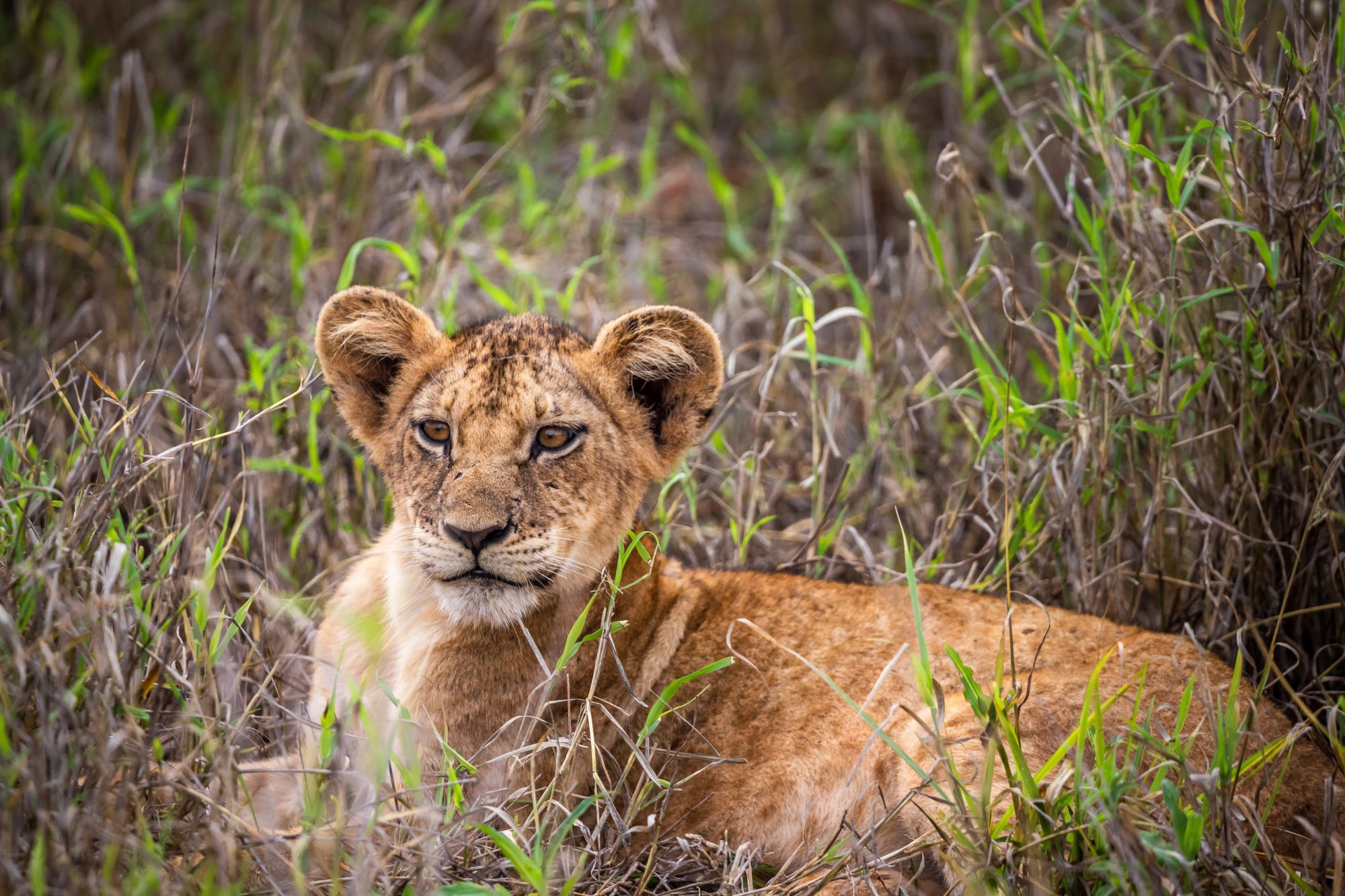
Night drives and lion tracking
Things a national park cannot permit, because this is private land.
What you can do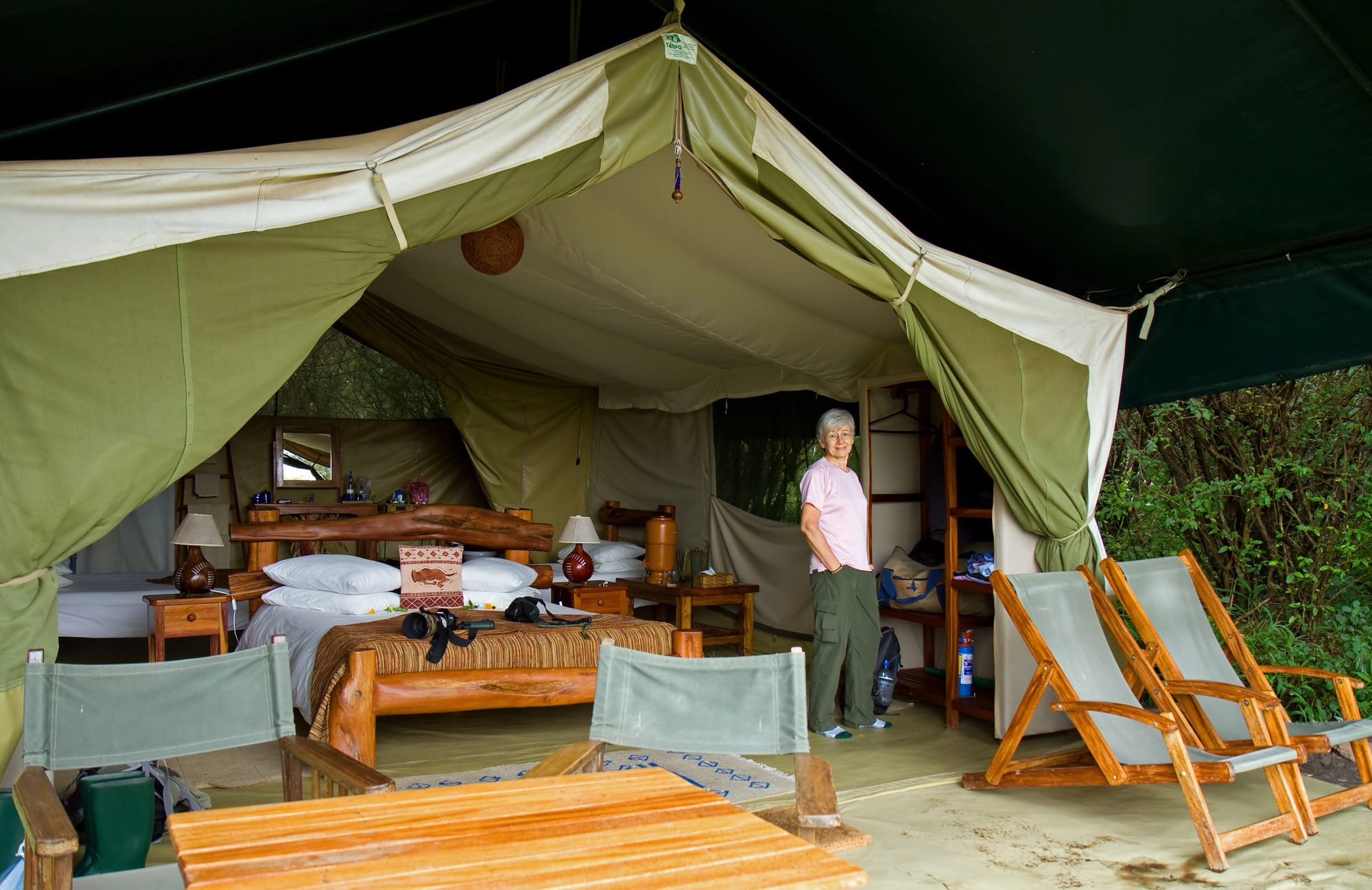
Visiting
Two nights, how to get here, and where Ol Pejeta fits in a Kenya itinerary.
Plan the stay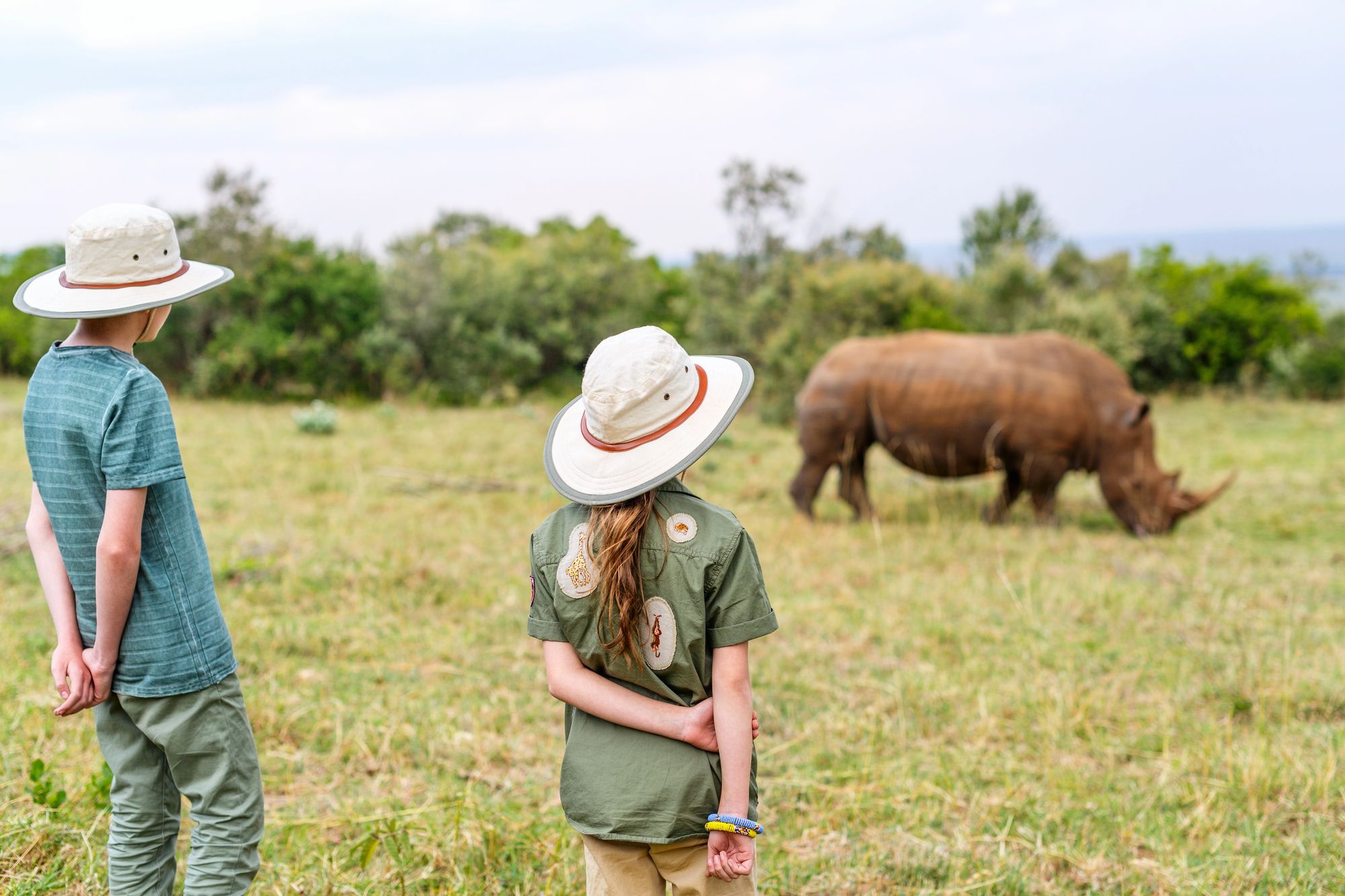
With children
Short drives, reliable rhino, chimpanzees and a road transfer from Nairobi. The best first stop in Kenya with children.
Family guideThe unusual bit
Cattle and rhino on the same ground
Ol Pejeta is a working cattle ranch as well as a conservancy. The herds are moved in a managed rotation, which improves the grassland, and the beef revenue helps fund the conservation work.
It is a deliberate answer to the question that decides whether wildlife survives outside national parks in Kenya: can land carry both livestock and wild animals and still pay for itself?
- A not-for-profit conservancy, with the model published openly
- Income from tourism and livestock funds anti-poaching and monitoring
- Community programmes in the neighbouring areas — schools, clinics, water
- The reason the fee is higher than a national park ticket, and where it goes
Free download
The Ol Pejeta Visitor Guide
What Ol Pejeta actually is, what the conservancy fee funds, and how to get the most out of two nights there.
- What a conservancy is, and why Ol Pejeta is not a national park
- Rhino: black, southern white, and the last two northern whites
- What the conservancy fee actually funds
- The chimpanzee sanctuary — and why chimpanzees are not native to Kenya
- Night drives and lion tracking, which a park cannot offer
- Two nights, and what to do with them
- Where Ol Pejeta fits in a Kenya itinerary
No cost, no obligation. We ask for an email so we can send it and, if you want it, follow up once.
In their words
What travellers say
No reviews are shown because none have been supplied yet. Add them to
shared/placeholders.mjs → testimonials, using the traveller's real
name, month of travel and written permission. This block renders automatically once the
array is non-empty. Nothing invented is ever published here.
Before you ask
The questions we get most
Can I see the last northern white rhinos?
They live in a guarded enclosure within the conservancy and access is managed and limited. Arrangements change, so we will tell you what is currently possible rather than promising an encounter.
At the time of writing both remaining animals are female, which means the subspecies is functionally extinct. Its survival now depends on assisted reproductive work using stored genetic material.
Is Ol Pejeta a good first safari?
For a short first safari, genuinely yes. Access is easy, rhino sightings are close to dependable, and night drives and walking are permitted here but not in a national park.
For a longer trip it is a strong two-night opener rather than the main event — the Mara has far higher density and variety.
Are the chimpanzees wild?
No. Chimpanzees are not native to Kenya. Sweetwaters is a sanctuary for animals rescued from the black market and from conflict zones, and they cannot be returned to the wild.
Ol Pejeta presents it that way rather than dressing it up, which we think is to its credit.
How many nights do we need?
Two. That gives you three game drives, a night drive, the chimpanzee sanctuary and lion tracking if it is running. One night is a rush; three is more than the conservancy needs unless you are photographing seriously.
Who actually arranges my safari?
This site is a planning guide. When you send an enquiry it goes to Nomad Africa, our partner travel agency in Kenya, who prepare your itinerary and quote and handle the booking, the payments and you on the ground.
You deal with one team from the first email to the airport transfer home.
Start planning
Two nights, and what to pair them with
Ol Pejeta works as the first stop out of Nairobi, on the road north to Samburu, or as a short trip in its own right. Tell us the rest of your plan and we will place it properly.
Our Kenya specialist replies within 24 hours.
- Named camps inside the conservancy, at a range of prices
- Lion tracking and night drives booked where they are running
- The road-versus-fly decision from Nairobi, costed both ways
- An itemised price including conservancy fees
Who answers
Nomad Africa, our partner travel agency in Nairobi, builds and prices every itinerary we send. You deal with one team, on the ground, for the whole trip.
Licence and membership numbers appear here once filled in at
shared/placeholders.mjs → partner. Nothing is claimed until it is verified.
Get your tailored itinerary and quote
Our Kenya specialist replies within 24 hours with a costed plan built around your dates.
More from our Kenya guides
Specialist guides across our Kenya network
Each of these is a focused guide we publish. Same Kenya specialist behind every enquiry.